

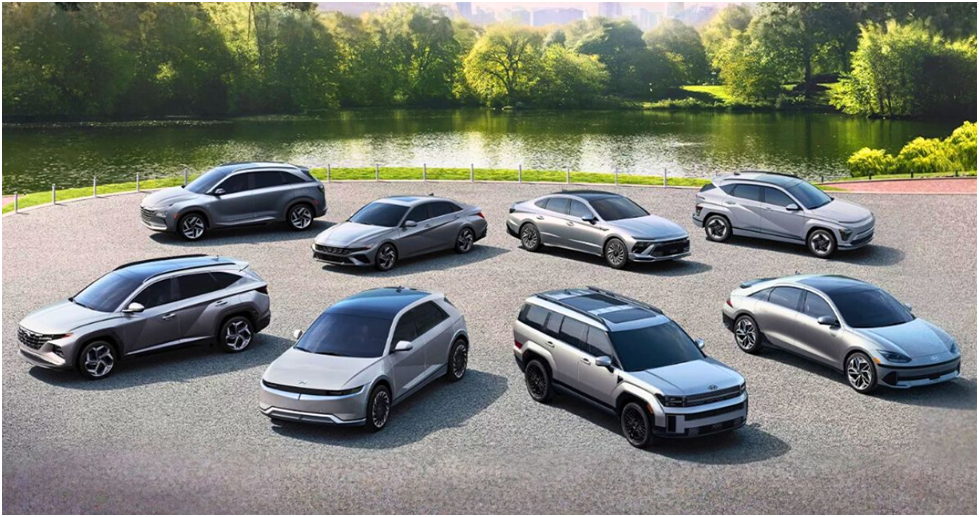
- Hyundai is simplifying electric vehicle ownership through key financial incentives, including comprehensive Hyundai EV rebates and regional assistance programs.
- Owners benefit greatly from strong local programs like those in California, such as the substantial Southern California Edison pre-owned EV rebate for used models and state-level cash EV rebates in California.
- To explore electric vehicles with complete peace of mind, visit Dalton Hyundai to learn about available rebates and experience exceptional customer service.
Also Read: Why Now Is the Best Time to Buy a Hyundai EV
Electric vehicles are becoming more popular each day. Though people learn about the benefits of driving electric, like reducing their environmental footprint and enjoying savings on fuel and maintenance, many people worry about the cost.
The good news is that Hyundai has created multiple ways to make EV ownership much more affordable. From factory incentives to state programs, there are numerous EV rebates you can avail to save money when you purchase or lease a Hyundai electric vehicle.
Foundational Savings: National Tax Credits
Beyond the initial purchasing price, one major way to save is through government incentives. Individuals and businesses installing property to store or recharge electric vehicles in eligible locations may qualify for the Alternative Fuel Vehicle Refueling Property Tax Credit.
This program, extended and modified by the Inflation Reduction Act, addresses the cost of setting up a home EV charging station. An individual can receive a tax credit equal to 30% of the property cost, up to a maximum of $1,000 per item, when they place the property into service at their main home between January 1, 2023, and December 31, 2033.
However, you must install the home EV charger rebate property in an eligible census tract to qualify. Specifically, a low-income community census tract or a non-urban census tract. This provides a direct path to lowering the cost of a home EV charger setup.
To claim this EV charger installation rebate, you attach Form 8911 to your tax return. You must use the property primarily in the U.S., and its original use began with the taxpayer during the tax year you place it in service.
Leveraging California EV Rebates
California is widely recognized as a leader in promoting electric vehicle adoption. The state achieves this goal through a powerful network of financial incentives that go well beyond standard Hyundai EV rebates.
These programs, generally referred to as EV rebates in California, are crucial for minimizing the initial cost barrier of purchasing an EV.
The California Clean Vehicle Rebate Project (CVRP)
The most publicized state-level incentive program is the California Clean Vehicle Rebate Program 2025 (CVRP). This program aims to return cash directly to consumers who purchase or lease new electric vehicles. Customers who successfully applied for the CVRP could receive up to $7,500 in cash back.
Eligibility for this type of EV rebate California traditionally involves specific criteria:
- California Residency and Registration: Applicants must be individuals, businesses, nonprofits, or government entities based in California. The vehicle must be new, registered as new in California, and purchased or leased through a California contract. The vehicle must have fewer than 7,500 miles on the odometer when acquired.
- Income Limits: To qualify for a standard rebate, individual consumers generally cannot have a gross annual income above $135,000 for single filers, $175,000 for head-of-household, and $200,000 for joint filers. Importantly, low and moderate-income consumers may be eligible for increased California Clean Vehicle Rebate Program 2025 amounts if their household income falls below 400% of the federal poverty level. A family of three, for instance, with a combined household income under $99,440 might qualify for this increased financial assistance.
- Vehicle Price Limits: For large vehicles like SUVs, pickups, and minivans, the base Manufacturer Suggested Retail Price (MSRP) must be $60,000 or less. For smaller classes like sedans or hatchbacks, the base MSRP cap is $45,000 or less. Fuel cell electric vehicles are the only exception to these price and income caps.
However, as of November 8, 2023, the CVRP stopped accepting new applications. Applications submitted before that date were placed on a standby list.
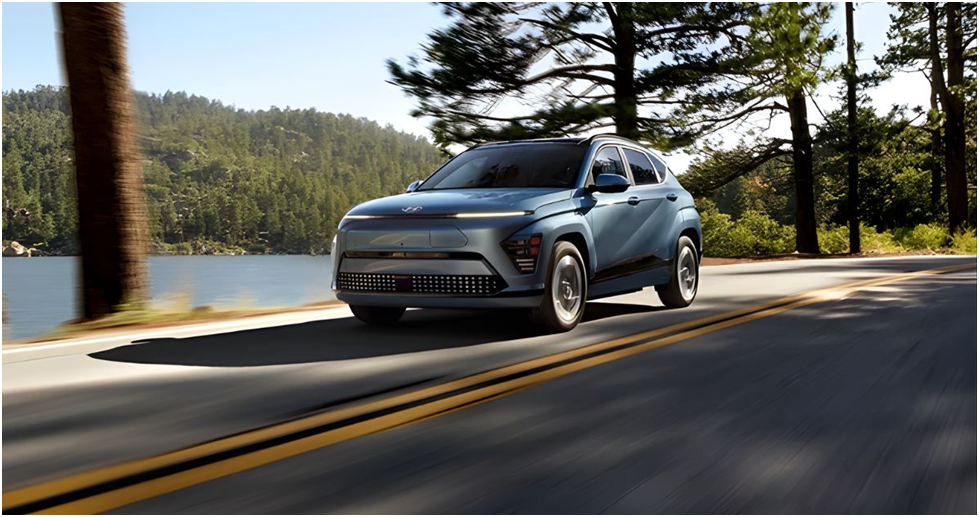
Driving Clean Assistance Program (DCAP)
This EV rebate program incentivizes income-qualified California residents and Native American and Indigenous communities to buy or lease new or used battery electric, plug-in hybrid electric, or fuel cell vehicles.
DCAP helps low-income and disadvantaged communities secure reliable transportation while fighting predatory lending practices.
Utility Incentives for Pre-Owned EVs
To expand electric transportation beyond brand-new cars, utilities across California run programs specifically focused on the secondary market. These programs help make a used EV rebate a reality for buyers.
SDG&E Benefit
San Diego Gas & Electric (SDG&E) administers a Pre-Owned EV Rebate Program where customers can receive a $1,000 or $4,000 used EV rebate based on their household income after purchasing or leasing a pre-owned EV. This makes getting a used EV rebate much more financially appealing, helping buyers overcome initial cost barriers.
Southern California Edison Pre-Owned EV Rebate
This incentive provides a significant cash benefit for purchasing or leasing an eligible certified pre-owned Hyundai electric vehicle. The program offers two tiers of rebates for income-qualified applicants:
- Standard rebate of $1,000
- Rebate Plus option of $4,000
Customers are encouraged to apply early to reserve the funds, submitting their complete application within 180 days after acquiring the vehicle. This specific Southern California Edison pre-owned EV rebate helps reduce the barrier to entry for used electric cars.
Pacific Gas and Electric Company Pre-Owned EV Rebate
Pacific Gas and Electric Company (PG&E) runs a Pre-Owned EV Rebate Program for its residential electric customers. This utility program includes a $1,000 standard rebate and a $4,000 Rebate Plus Option for income-qualified individuals.
Furthermore, PG&E customers can check eligibility for the utility’s Residential Charging Solutions rebate, which helps cover the expense of home charging equipment. This funding structure helps expand access to the EV market using the used EV rebate system.
Uber’s Go Electric Incentive
In this program, diamond-tier Uber Pro drivers in specific California cities, including San Diego, Los Angeles, and Sacramento, can qualify for a $4,000 incentive credited to their account. However, they should switch to an owned EV and complete 100 eligible rides by April 30, 2026.
Home Charging Made Affordable
One of the biggest concerns people have about electric vehicles is charging at home. Hyundai understands this worry and provides resources to help with EV charging at home. Setting up a home EV charging station is easier and more affordable than many people realize.
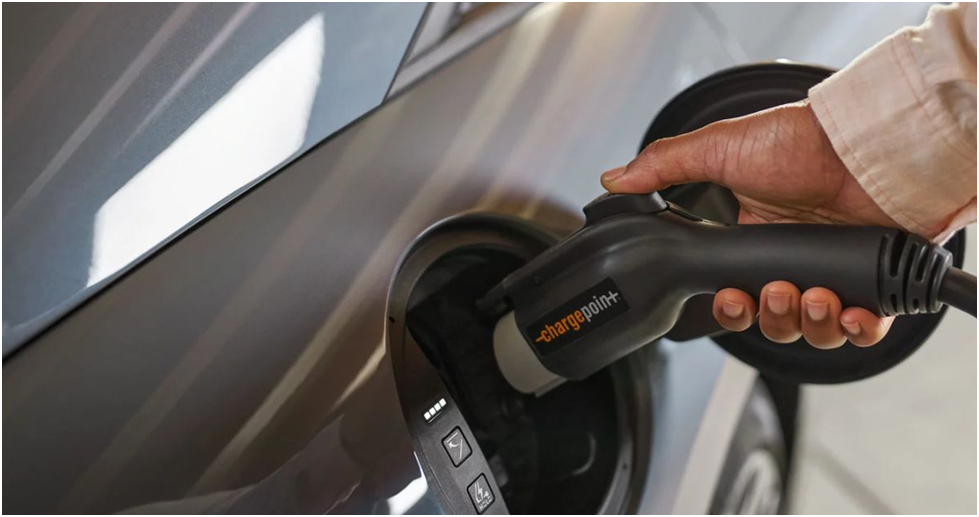
Hyundai assists with setting up a dedicated home EV charging station via the Hyundai Home Marketplace. This marketplace connects owners to third-party providers of a 240-volt (Level 2) home EV charger, energy storage systems, and solar panels.
Although outside companies provide the charger and installation, this resource helps customers acquire the necessary hardware for a home EV charger installation.
Customers of utility providers like SDG&E, Southern California Edison (SCE), PG&E, LADWP, and SMUD can also participate in the ChargePerks California program. This program supports grid resilience and helps customers save on charging costs.
Participants receive a $50 enrollment gift card and access to automatic smart charging technology. Smart charging can result in typical annual savings of up to $700 EV rebates. This focuses specifically on EV charging at home and prioritizing low-cost, renewable energy during optimization.
Apart from that, SDG&E offers various EV Pricing Plans designed to further maximize savings. These Time-of-Use (TOU) plans price electricity differently depending on the time of day, with the lowest rates available during super off-peak hours (like midnight to 6:00 a.m.).
This encourages customers to schedule their charging when the cost is lowest. The EV-TOU-5 plan is specifically designed for customers who charge their EVs at home and who can shift some electricity use outside of the on-peak window of 4 p.m. to 9 p.m. This ability to manage charging schedules is crucial for cutting monthly energy costs.
Overall, these EV rebate programs combined can sometimes cover most of your total installation costs. This makes the upfront investment much more manageable for families considering the switch to electric.
Planning Your Electric Vehicle Journeys
The best EV route planner systems take into account your vehicle’s current charge level, driving conditions, and available charging stations. Hyundai vehicles come equipped with navigation systems that include this functionality. The EV charging route planner shows you exactly where to stop for charging and how long each stop will take.
Many Hyundai owners also use the Google Maps EV route planner for additional convenience. This familiar interface seamlessly integrates with your smartphone, providing real-time updates on charging station availability. You can plan your route before leaving home or adjust your plans on the road as needed.
Long-Term Cost Benefits
Beyond rebates and incentives, Hyundai electric vehicles provide ongoing savings. Electricity costs less than gasoline per mile traveled.
You’ll also save money on maintenance since electric motors have fewer moving parts than traditional engines. No oil changes, transmission service, or exhaust system repairs means more money stays in your pocket.
Insurance costs for Hyundai electric vehicles are often competitive with gas vehicles in the same class. Some insurance companies even provide discounts for electric vehicle owners because of the advanced safety features these vehicles include.
The Easy Path to EV Ownership
The path to driving electric has never been smoother or more affordable. Hyundai actively dismantles barriers to adoption through substantial EV rebates and long-term cost reductions via lower maintenance.
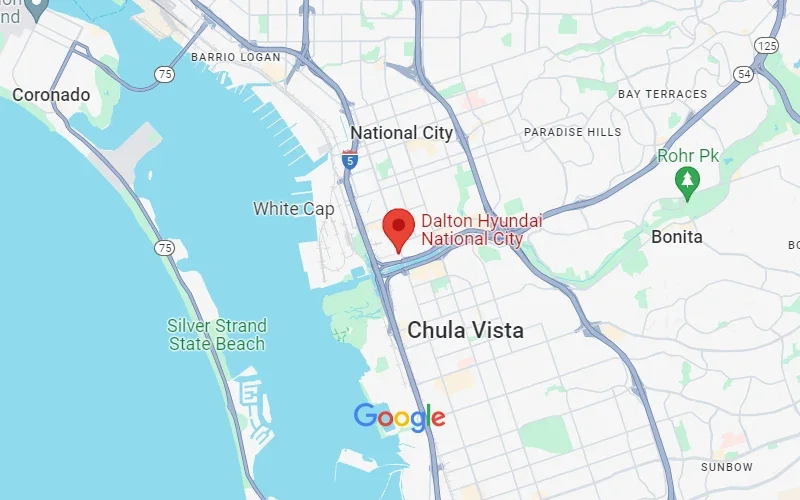
If you prefer in-person assistance, visit Dalton Hyundai National City. Our staff is more than ready to walk you through every available rebate and incentive, as well as inform you about utility rebates concerning home charging equipment. Feel free to try our Savings Calculator to see how much you can save over 5 years.
Read Next: 4 Reasons the 2026 Ioniq 9 Can Replace Your Gas Family SUV
Connect with us


Dalton Hyundai National City

Address
3150 National City Blvd.
National City, CA 91950
Phone
- SalesMobile Sales 619-452-3217619-604-0498
- Service 619-314-5768
- Parts 619-604-0487
| Monday | 9:00AM - 8:00PM |
| Tuesday | 9:00AM - 8:00PM |
| Wednesday | 9:00AM - 8:00PM |
| Thursday | 9:00AM - 8:00PM |
| Friday | 9:00AM - 8:00PM |
| Saturday | 8:00AM - 8:00PM |
| Sunday | 10:00AM - 6:00PM |
| Monday | 7:00AM - 6:00PM |
| Tuesday | 7:00AM - 6:00PM |
| Wednesday | 7:00AM - 6:00PM |
| Thursday | 7:00AM - 6:00PM |
| Friday | 7:00AM - 6:00PM |
| Saturday | 8:00AM - 5:00PM |
| Sunday | Closed |
| We are closed Christmas Day | |
| Monday | 7:00AM - 6:00PM |
| Tuesday | 7:00AM - 6:00PM |
| Wednesday | 7:00AM - 6:00PM |
| Thursday | 7:00AM - 6:00PM |
| Friday | 7:00AM - 6:00PM |
| Saturday | 8:00AM - 5:00PM |
| Sunday | Closed |
| We are closed Christmas Day | |