

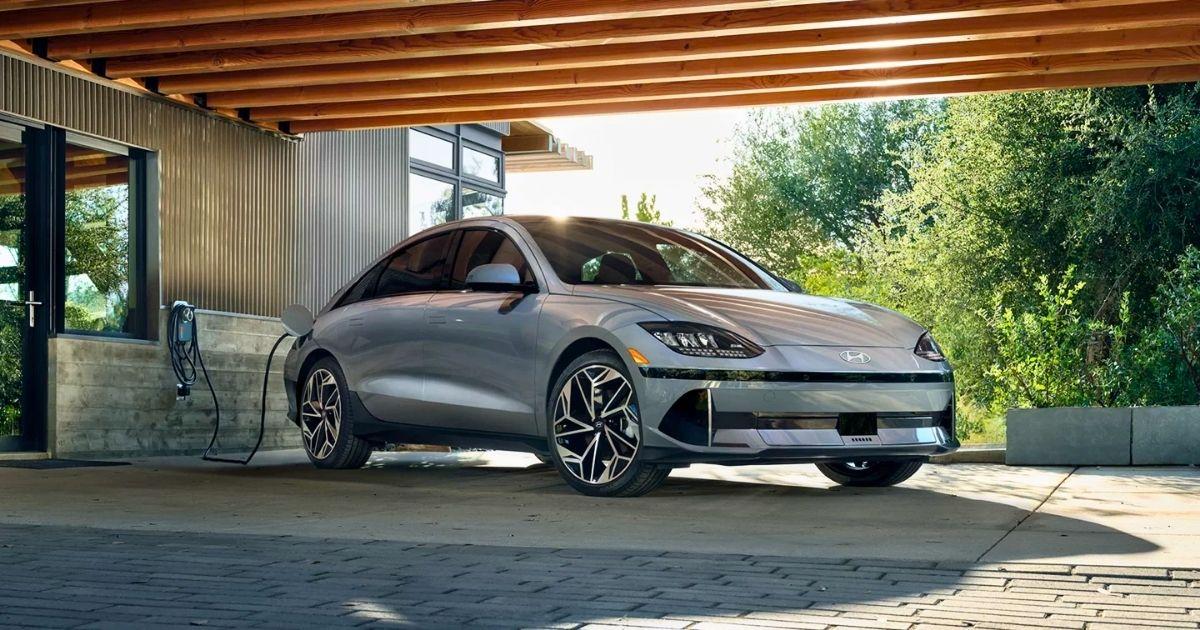
Sustainability has never looked, or felt, this good. Thanks to the 2025 Hyundai Ioniq 6, you can experience firsthand what it’s like to drive in comfort and sustainably.
With its IIHS Top Safety Pick+ status and 5-star overall safety rating from the NHTSA, this EV is built to perform and protect. And all these come together when you open the door, thanks to Hyundai’s commitment to sustainability.
From ambient mood lighting to the eco-friendly materials used, explore the Ioniq 6’s interior and discover why driving it home from Dalton Hyundai is your best choice.
Hyundai’s Ethical Uniqueness: An Overview
With a rising trend in the creation of electric cars, Hyundai has made a bold step in making a unique line of EVs. Instead of just making EVs that focus on being energy efficient, they have incorporated environmental friendliness into the mix.
The result? Their newest philosophy is called “Ethical Uniqueness.” It may sound futuristic, but the concept behind this principle is to create energy-efficient and responsibly-manufactured vehicles
Starting with the Ioniq 6, Hyundai is now designing its EVs with materials and technologies that are not good for driving and for the environment.
In what interior features did Hyundai apply sustainability to the Ioniq 6?
Recycled PET Fabric
Who would have thought that clear water plastic bottles that we toss into the recycling bin could become a stylish fabric? But, with Hyundai promoting ethical uniqueness, they have incorporated these bottles in the Ioniq 6 interior’s upholstery.
Plastic bottles are made from polyethylene terephthalate (PET), a plastic known for its strong and lightweight properties. PET is used to create soda bottles, food containers, and polyester fibers.
But instead of leaving these bottles as trash, they become fabric for the Ioniq 6’s seat covers, headliners, and floor carpets. Hyundai collects these bottles, melts them, and re-spins them into fine threads that result in a fabric that is:
- Soft and smooth, similar to the traditional cloth used in upholstery
- Stain-resistant for easier clean-ups
- Lightweight but strong, ideal for areas that are prone to wear and tear (i.e., seats)
PET fabric is color-friendly. It holds dyes better, making the colors for the interior more vibrant. The best part? Creating this fabric doesn’t use as much water and energy compared to producing leather or cotton.
The result is sleek, stain-resistant cloth seats for the 2025 Hyundai Ioniq 6 SE Standard Range and 2025 Hyundai Ioniq 6 SE trims.
Bio-based Leatherette
In the SEL and Limited trims of the 2025 Ioniq 6, there is a fabric upgrade on its seating surfaces. Hyundai’s H-Tex® leather replaces the stain-resistant cloth.
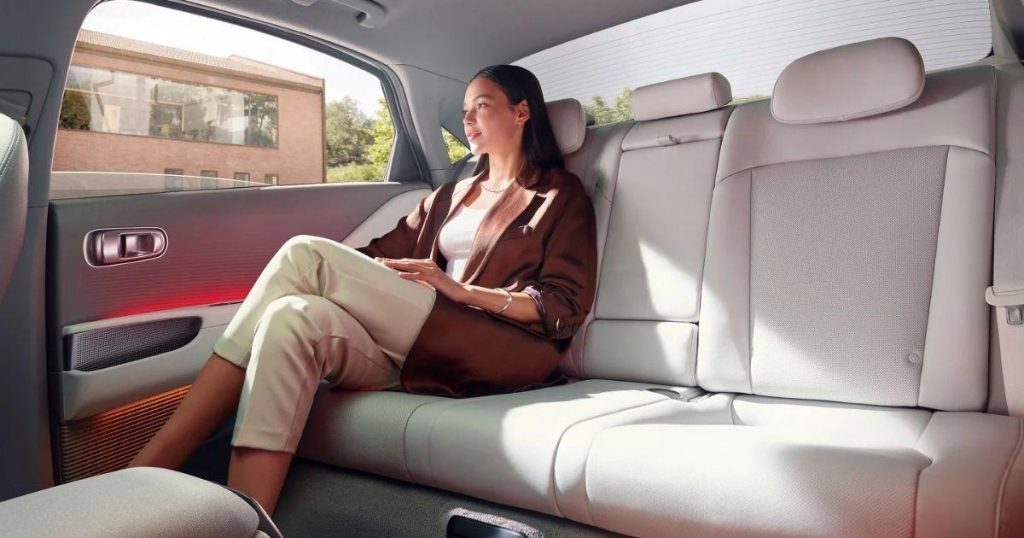
Described as modern and high–end looking, you would expect this fabric to come from animals. However, it is a vegan alternative to animal-sourced leather.
H-Tex® comes from the oils of plants like castor beans and corn. The result? A fabric that is:
- Durable to scratches or wear and tear
- Stain-resistant for easy clean-ups
- Gentle to the touch for a premium, comfortable ride
With this, Hyundai shows the auto industry can do away with relying solely on animal-based products while staying comfortably stylish. Plus, eco-conscious drivers would appreciate that their EV is made with cruelty-free materials.
Eco-processed Leather
Part of the 2025 Ioniq 6 features for its interior is a leather-wrapped steering wheel for added comfort while driving. While leather may look and feel good, it has to undergo tanning. This is required to soften the stiff animal hides and prevent them from decomposing.
But this tanning process uses harsh chemicals to achieve the desired result, the most common of which is chromium. Though chromium quickly stabilizes and softens the hide, its waste can leak into soil and water systems. Plus, it can cause cancer and harm aquatic life.
Other chemicals commonly used in the tanning process include:
- Formaldehyde preserves and improves the hide’s water resistance, but can cause respiratory problems and cancer, aside from polluting waterways
- Sulfuric Acid and Sodium Sulfide to remove the hair from the hides, but can acidify the sources of water
- Synthetic Dyes and Solvents add color and finish to the leather, but are petroleum-based and release VOCs (volatile organic compounds) into the air and water
With the Ioniq 6, flaxseed oil is the tanning chemical used. It is a natural oil from flax plants containing natural fatty acids to naturally condition and preserve the material.
This way, you’re assured that as you’re driving the 2025 Hyundai Ioniq 6 EV, the fabric used is:
- Non-toxic and biodegradable
- Does not cause groundwater pollution
- Does not use carcinogens or heavy metals
- Safer for both workers and the production facilities
So, even if the steering wheel of the Ioniq 6 is wrapped in leather, you can rest easy knowing that your electric vehicle is environmentally friendly.
Recycled Fishing Nets
Do you know where old fishing nets go when they no longer serve their purpose? Most of you would answer “in the trash,” but that is not the case, unfortunately. It usually ends up in our oceans, making them one of the biggest sources of marine pollution. Add that they can trap sea animals, damage the corals, and take years to decompose.
But Hyundai saw this and found a way to repurpose this material inside the Hyundai Ioniq 6 electric car: carpets and headliner. Similar to PET bottles, Hyundai collects discarded fishing nets from the ocean and recycles the nylon into strong and flexible fibers.
With how good the Ioniq 6’s floor carpet and headliner are, you won’t know that they use upcycled fishnets to create them.
Bio-Paint
One thing that makes a car stunning is its paint. But did you know that car paints are often made from petroleum-based chemicals? These include:
- Urethanes
- Solvents
- Acrylics
Though they are in no doubt effective at their job, they release volatile organic compounds (VOCs) into the air. This is usually during the production and application processes. These VOCs then pollute the air and cause a plethora of health issues if not properly controlled.
But with Hyundai taking a commitment to a more eco-friendly approach, they have started using bio-paint made from plant extracts like corn and rape flowers. It can also come from vegetable oils like linseed oil or soybean oil, which are processed into renewable resins. These resins are then used as the base of the paint.
This way, you’re helping to lessen the carbon footprint just by simply driving an EV using bio-paint on its interior door panels and steering wheel.
Note-Worthy Interior Design Highlights of The 2025 Hyundai Ioniq 6
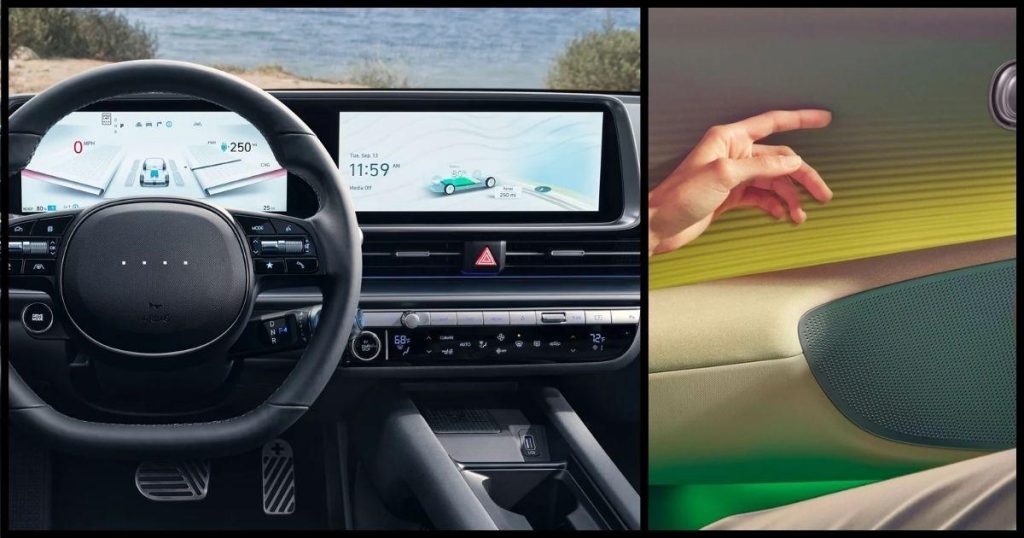
Apart from the eco-friendly materials used for the Hyundai Ioniq 6 interior, other noteworthy interior features can convince you to go full EV:
- Dual 12.3-inch Screens for displaying music, navigation, and vehicle controls
- Bridge-style Center Console to add storage space while giving the front row an open and futuristic feel
- Flat Floor for easier stretching out, with the absence of the driveshaft tunnel
- Touch-sensitive Climate Controls for easy adjusting of airflow and temperature control with a tap
- Dual-color Ambient Lighting to change your cabin’s mood at night
No matter the purpose for driving the 2025 Hyundai Ioniq 5 electric car, every trip you make with it is immersive and comfortable.
Your Eco-Friendly Commute Starts Here
Living eco-consciously starts with each choice we make. And, with the 2025 Hyundai Ioniq 6, choosing an EV has never been this easy. Whether it is its aerodynamic design or simply the innovation that you see, know that the Ioniq 6 is the best vehicle to fit your lifestyle and the planet.
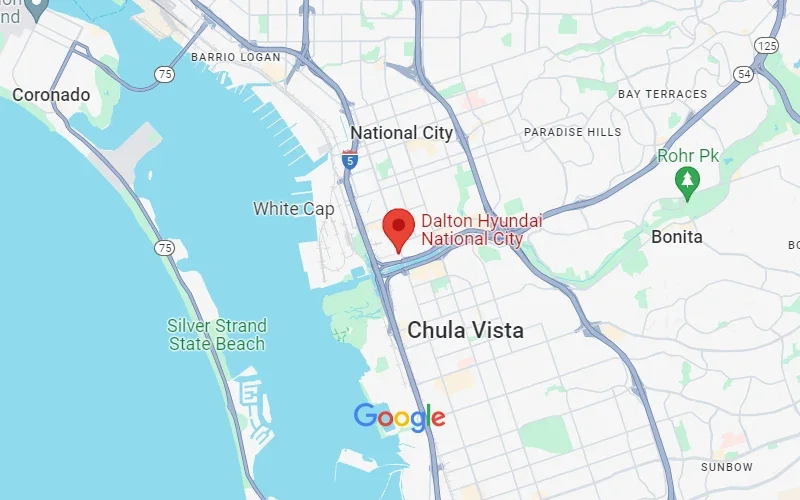
Book a test drive now at Dalton Hyundai in downtown Chula Vista CA, and let our expert team guide you in finding the perfect trim.
Connect with us


Dalton Hyundai National City

Address
3150 National City Blvd.
National City, CA 91950
Phone
- SalesMobile Sales 619-452-3217619-604-0498
- Service 619-314-5768
- Parts 619-604-0487
| Monday | 9:00AM - 8:00PM |
| Tuesday | 9:00AM - 8:00PM |
| Wednesday | 9:00AM - 8:00PM |
| Thursday | 9:00AM - 8:00PM |
| Friday | 9:00AM - 8:00PM |
| Saturday | 8:00AM - 8:00PM |
| Sunday | 10:00AM - 6:00PM |
| Monday | 7:00AM - 6:00PM |
| Tuesday | 7:00AM - 6:00PM |
| Wednesday | 7:00AM - 6:00PM |
| Thursday | 7:00AM - 6:00PM |
| Friday | 7:00AM - 6:00PM |
| Saturday | 8:00AM - 5:00PM |
| Sunday | Closed |
| We are closed Christmas Day | |
| Monday | 7:00AM - 6:00PM |
| Tuesday | 7:00AM - 6:00PM |
| Wednesday | 7:00AM - 6:00PM |
| Thursday | 7:00AM - 6:00PM |
| Friday | 7:00AM - 6:00PM |
| Saturday | 8:00AM - 5:00PM |
| Sunday | Closed |
| We are closed Christmas Day | |